
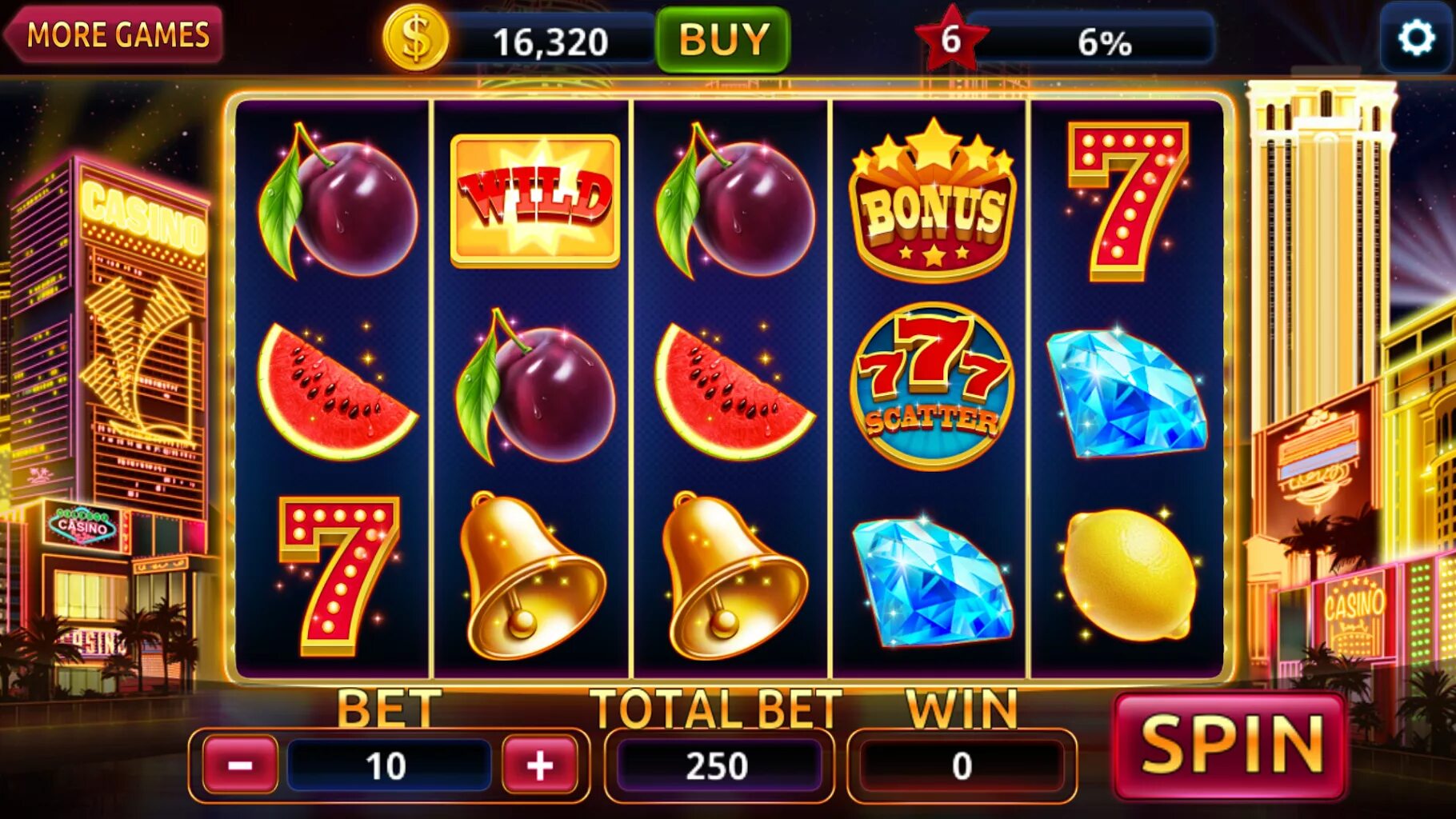
The digital landscape of online gaming is in constant flux, driven by technological advancements and evolving player expectations. As we look ahead, it’s clear that the future of platforms like Pelican Casino online games will be shaped by innovation and a commitment to immersive experiences. Staying ahead of these trends is crucial for any operator aiming to provide a leading-edge service to its global audience. This article explores some of the most significant future trends poised to redefine the online casino industry.
The Evolving Landscape of Pelican Casino Games
The future of Pelican Casino Games is intrinsically linked to the broader technological shifts occurring across the digital sphere. We can anticipate a significant increase in the integration of artificial intelligence (AI) to personalize player experiences, from tailored game recommendations to dynamic customer support. AI will also play a role in enhancing security measures and ensuring fairer gameplay by analyzing patterns and detecting anomalies in real-time. Furthermore, the development of more sophisticated algorithms will lead to games that adapt to individual player skill levels and preferences, creating a more engaging and challenging environment for everyone.
Another key area of evolution will be the diversification of game offerings beyond traditional slots and table games. Expect to see a surge in innovative game formats that blend elements of skill-based challenges, augmented reality (AR), and virtual reality (VR) into the casino experience. This could manifest as interactive game shows with live hosts, puzzle-based casino games, or even narrative-driven adventures that incorporate gambling mechanics. The goal will be to capture a wider demographic of players by offering experiences that are not solely reliant on luck but also engage other cognitive and social faculties.
Augmented and Virtual Reality Integration
The immersive potential of augmented reality (AR) and virtual reality (VR) represents one of the most transformative forces on the horizon for online casinos. Imagine stepping into a virtual casino lobby, choosing a seat at a blackjack table with photorealistic graphics, and interacting with other players and dealers as if you were physically present. VR technology offers an unparalleled level of immersion, blurring the lines between the digital and physical worlds and providing a truly captivating gaming environment that traditional interfaces cannot replicate.
- Enhanced player immersion through realistic 3D environments.
- Interactive gameplay with virtual avatars and social features.
- New avenues for game development, including VR-exclusive titles.
- Potential for haptic feedback integration for a more tactile experience.
- Accessibility improvements for players who prefer non-desktop interfaces.
AR, on the other hand, can overlay digital elements onto the real world, offering a different kind of engagement. This could involve AR features within existing games, such as visualizing slot machine animations in your living room, or even AR-enhanced live dealer games where virtual cards or chips appear on your physical table. While widespread adoption of VR headsets is still growing, the underlying technology is rapidly maturing, and its application in online gaming promises to deliver experiences that are more engaging, social, and memorable than ever before.
The Rise of Skill-Based and Hybrid Gaming
The traditional reliance on pure chance in many casino games is gradually giving way to a growing interest in skill-based and hybrid formats. Players are increasingly seeking challenges that test their strategic thinking, reflexes, and decision-making abilities, moving beyond the passive experience of spinning reels. This trend is particularly evident in the popularity of esports and competitive gaming, and online casinos are beginning to respond by incorporating elements that reward player skill.
| Game Type | Primary Component | Player Engagement |
|---|---|---|
| Traditional Slots | Random Number Generator (RNG) | Passive Entertainment |
| Video Poker | Card Strategy & RNG | Moderate Engagement |
| Skill-Based Slot Variants | RNG with Mini-Games | High Engagement |
| Esports Betting | Player Skill & Prediction | Very High Engagement |
| Hybrid Casino Games | Strategy, RNG & Social Interaction | Immersive Engagement |
This shift doesn’t necessarily mean the end of luck-based games, but rather an expansion of the gaming portfolio. Hybrid games, which combine elements of chance with strategic decision-making, are expected to see significant growth. Think of slot machines where players can influence bonus rounds through quick-time events or table games that incorporate a strategic layer beyond basic betting. This evolution caters to a player base that craves more active participation and the satisfaction of earning rewards through a combination of wit and fortune.
Pelican Casino Games and Blockchain Technology
Blockchain technology, with its inherent transparency, security, and decentralization, holds immense potential for revolutionizing the online casino industry. For a brand like Pelican Casino Games, implementing blockchain can significantly enhance player trust and operational efficiency. The use of cryptocurrencies as a payment method is already gaining traction, offering faster transactions and potentially lower fees for players worldwide. This adoption is likely to accelerate as more players become comfortable with digital assets and seek alternative banking options.
Beyond payment processing, blockchain can underpin provably fair gaming systems. Each game outcome can be recorded on an immutable ledger, allowing players to independently verify the randomness and integrity of every spin, roll, or hand dealt. This level of transparency builds confidence and addresses potential player concerns about fairness, setting a new standard for ethical operations. Furthermore, blockchain could facilitate secure and transparent player reward systems and loyalty programs, ensuring that benefits are distributed reliably and verifiably.
The Future of Mobile Gaming and Live Dealers
Mobile gaming has already cemented its dominance, but the future will see even more sophisticated and seamless experiences delivered directly to players’ handheld devices. Optimization for mobile will go beyond simply adapting desktop games; it will involve designing experiences specifically for touch interfaces, smaller screens, and on-the-go play. This includes intuitive navigation, faster loading times, and games that are perfectly suited for shorter play sessions, catering to the modern player’s lifestyle.
Live dealer games are another area poised for significant growth, driven by the desire for authentic casino atmosphere and social interaction. Future iterations will likely feature higher streaming quality, more interactive features such as in-game chat with enhanced AI moderation, and a broader range of game variations. The integration of AR/VR into live dealer experiences, as mentioned earlier, will further elevate immersion, allowing players to feel truly present at the table. Platforms that can deliver a consistent, high-quality, and interactive live dealer experience across all mobile devices will undoubtedly capture a larger share of the market.